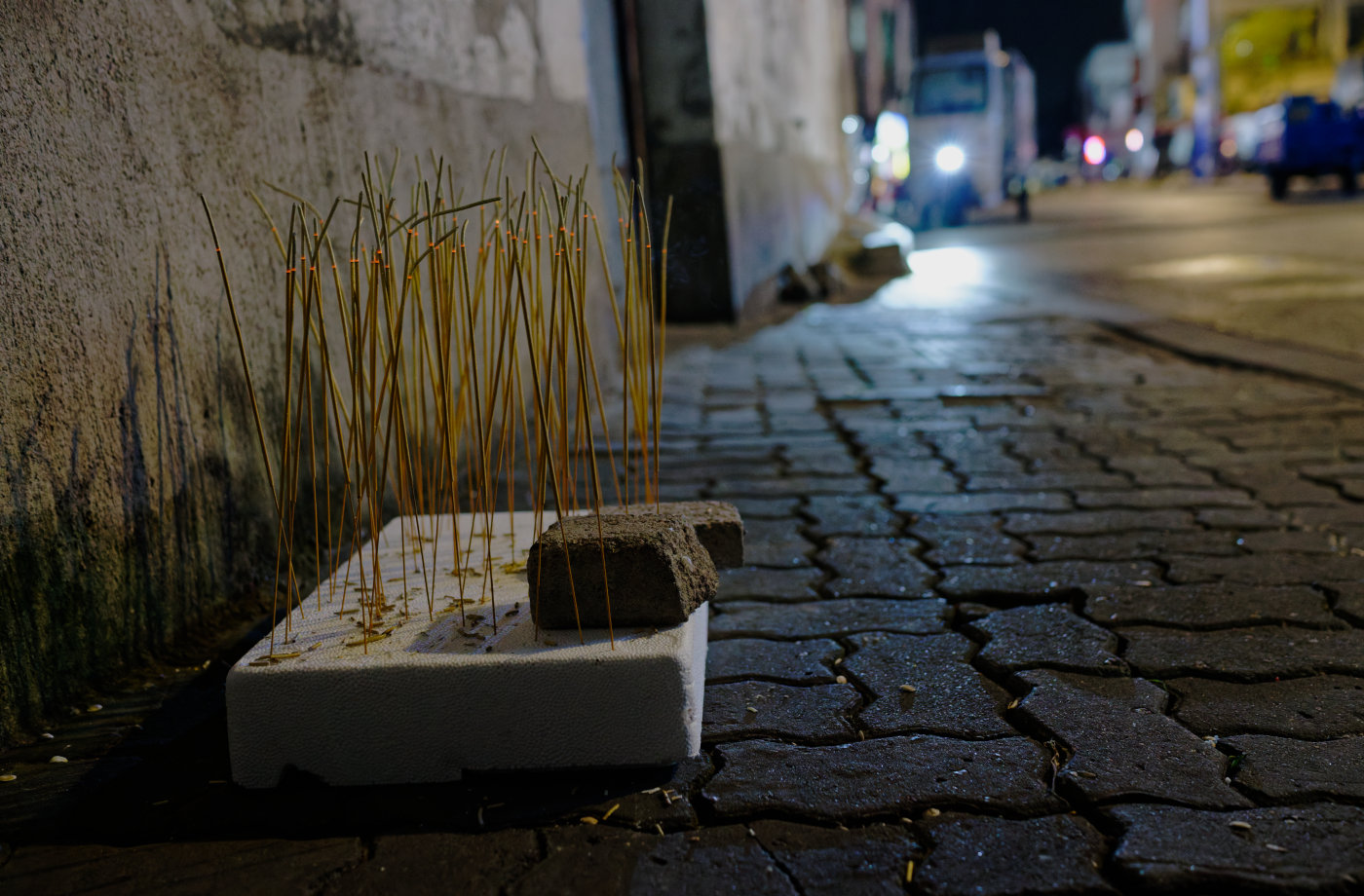
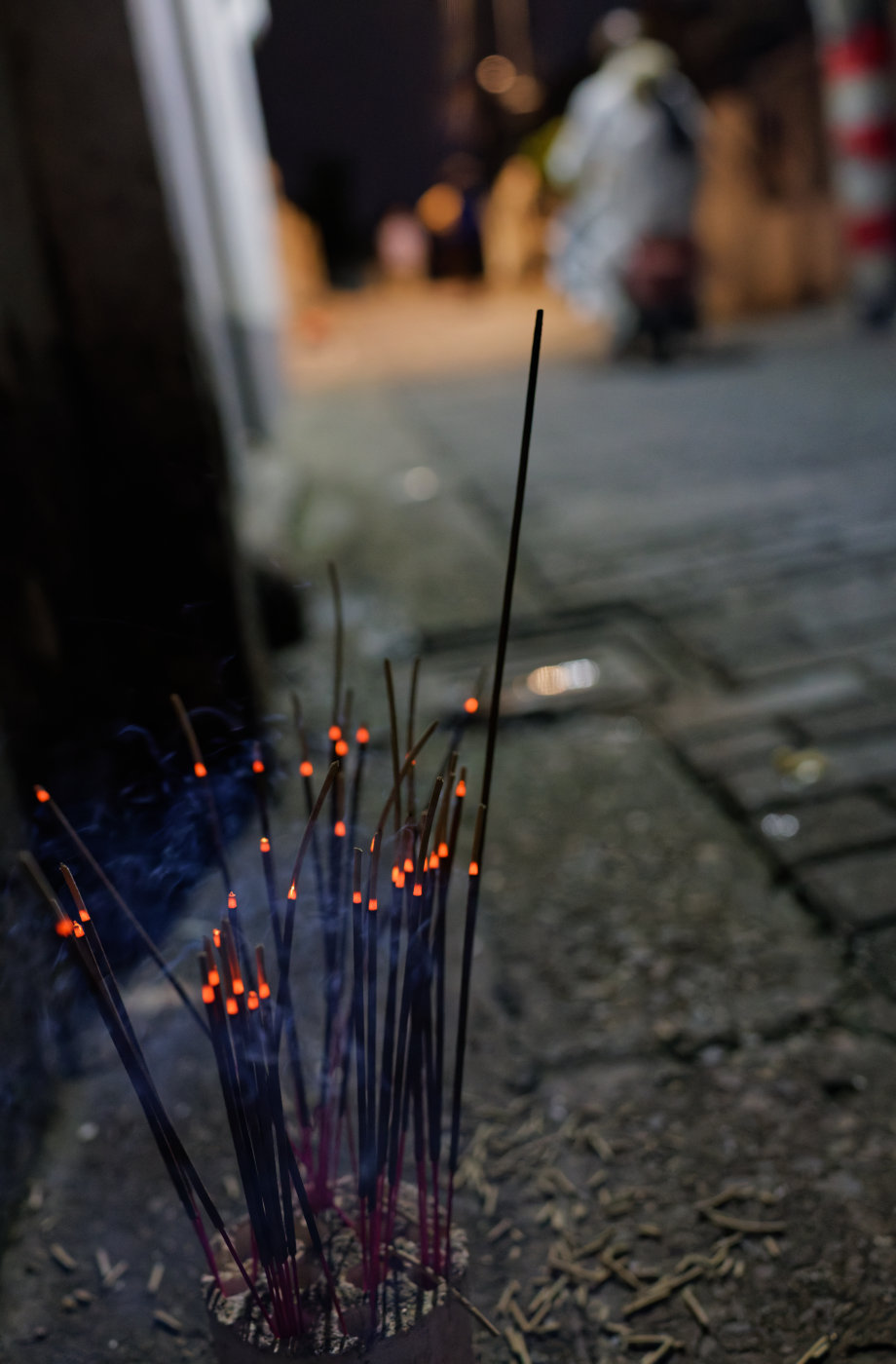
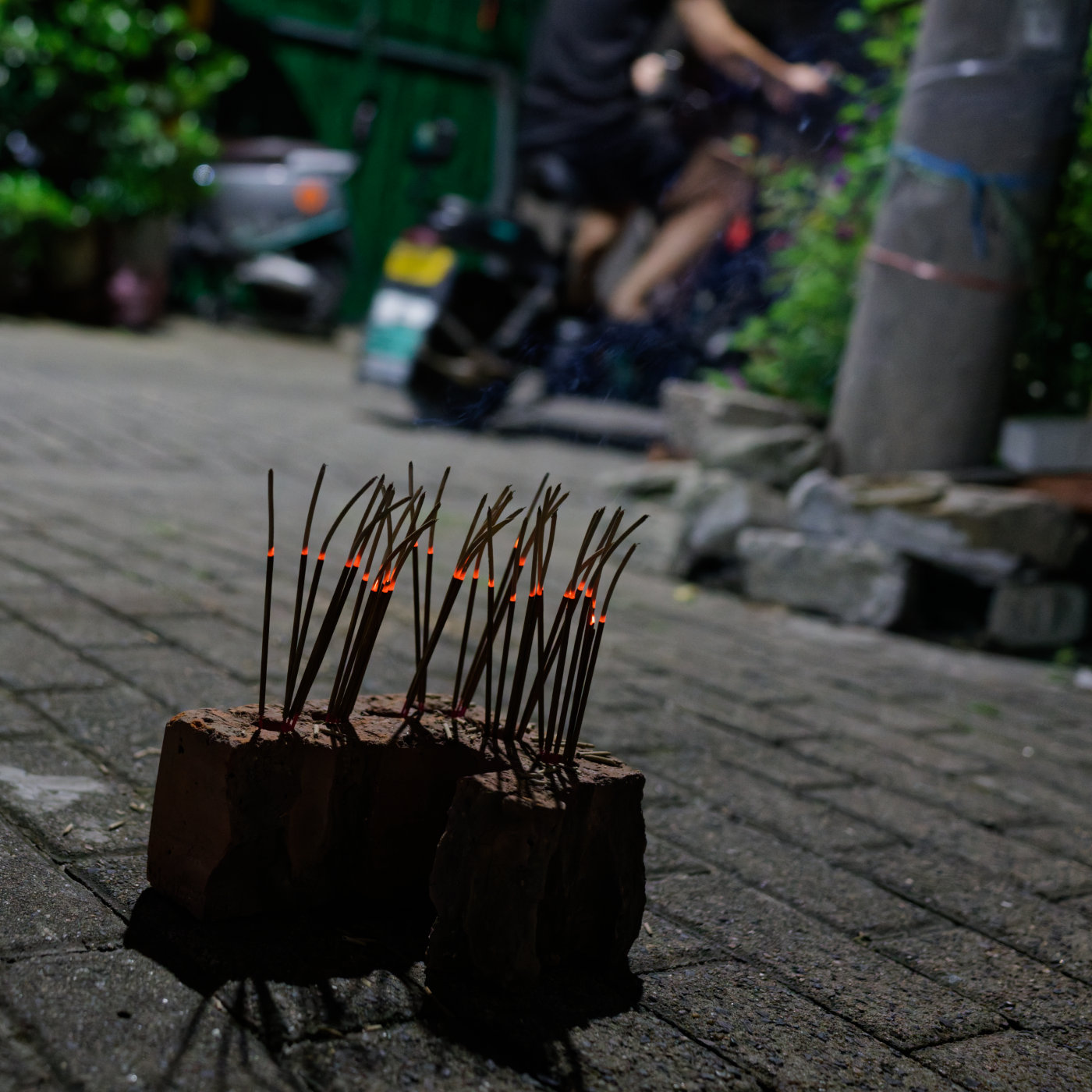
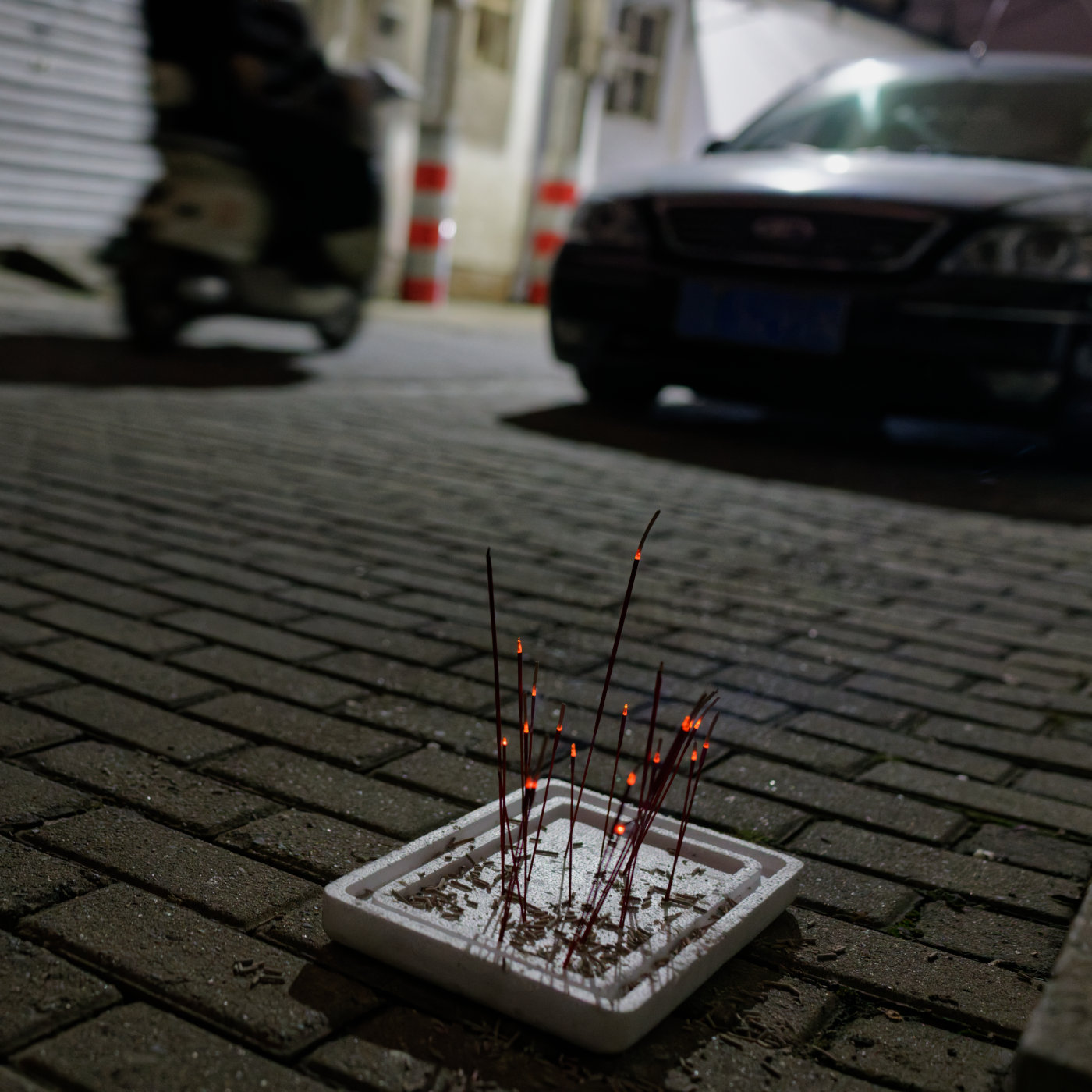
农历七月三十,民间有地藏节之说,相传这一天是地藏王菩萨的诞辰。江南地区,尤其苏锡常一带,旧时还流传着“插地藏香”的习俗,也叫“点地灯”或“烧棒香”。入夜后,人们在屋前、路边或巷口插香点燃,寄托祈福平安、敬奉先人的心愿。
有位朋友提醒我,在常熟的老街巷里,也许还能找到这个习俗。
傍晚,我来到陈家市附近。天色渐暗,街灯陆续亮起。Rx1RM2 很适合这样的夜间拍摄,只要现场还有一点灯光,手持基本都能应付。
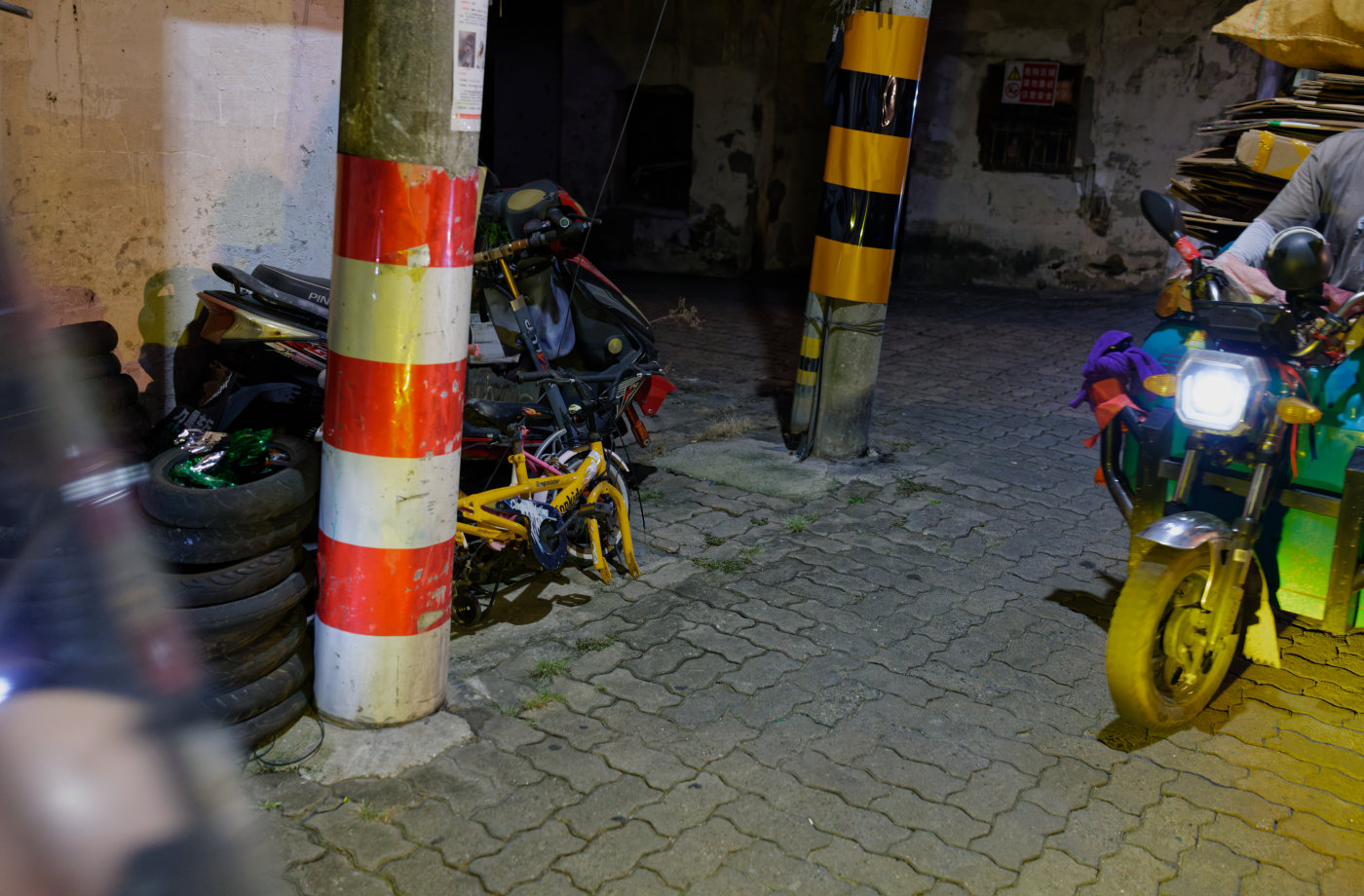
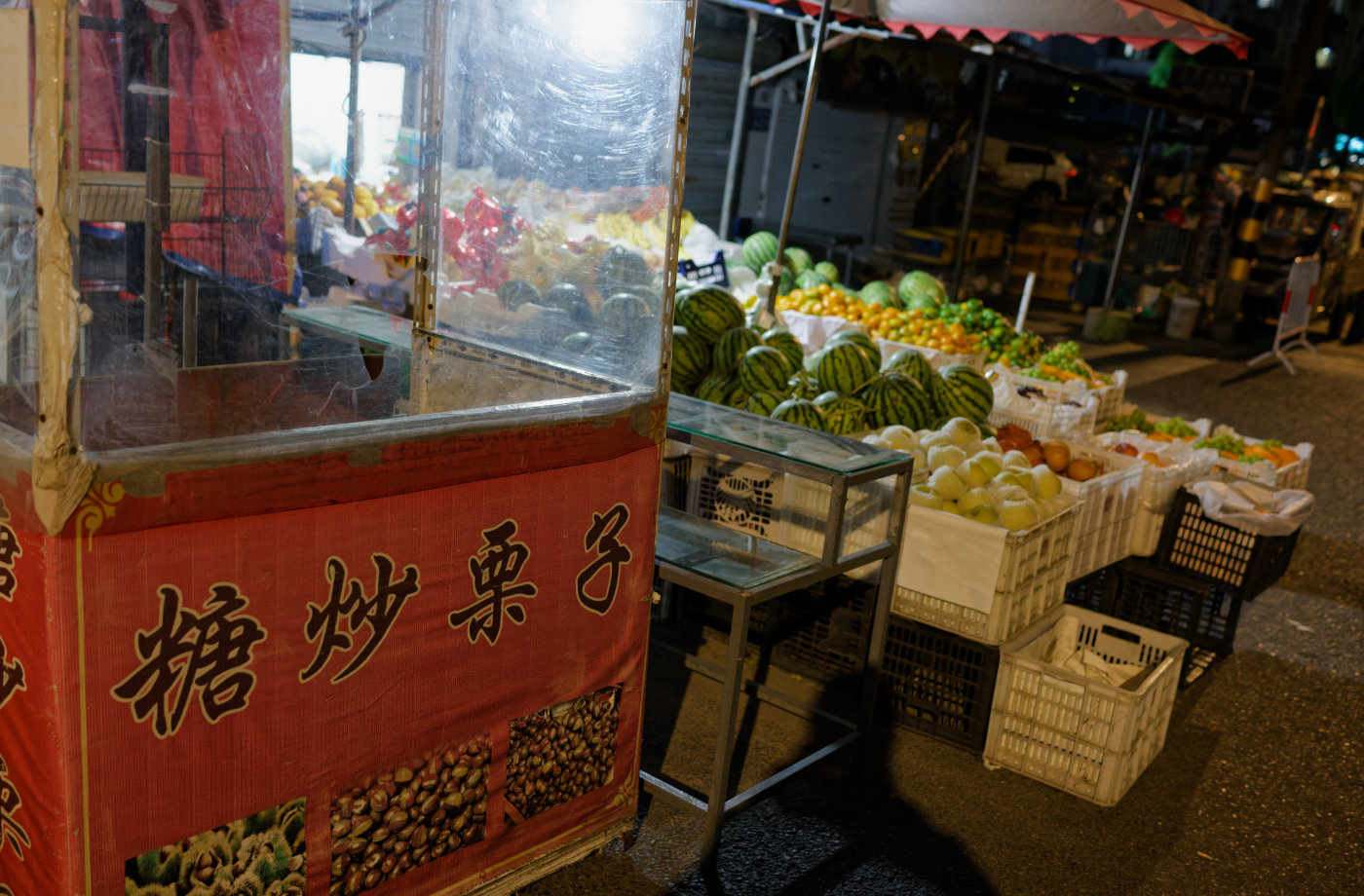
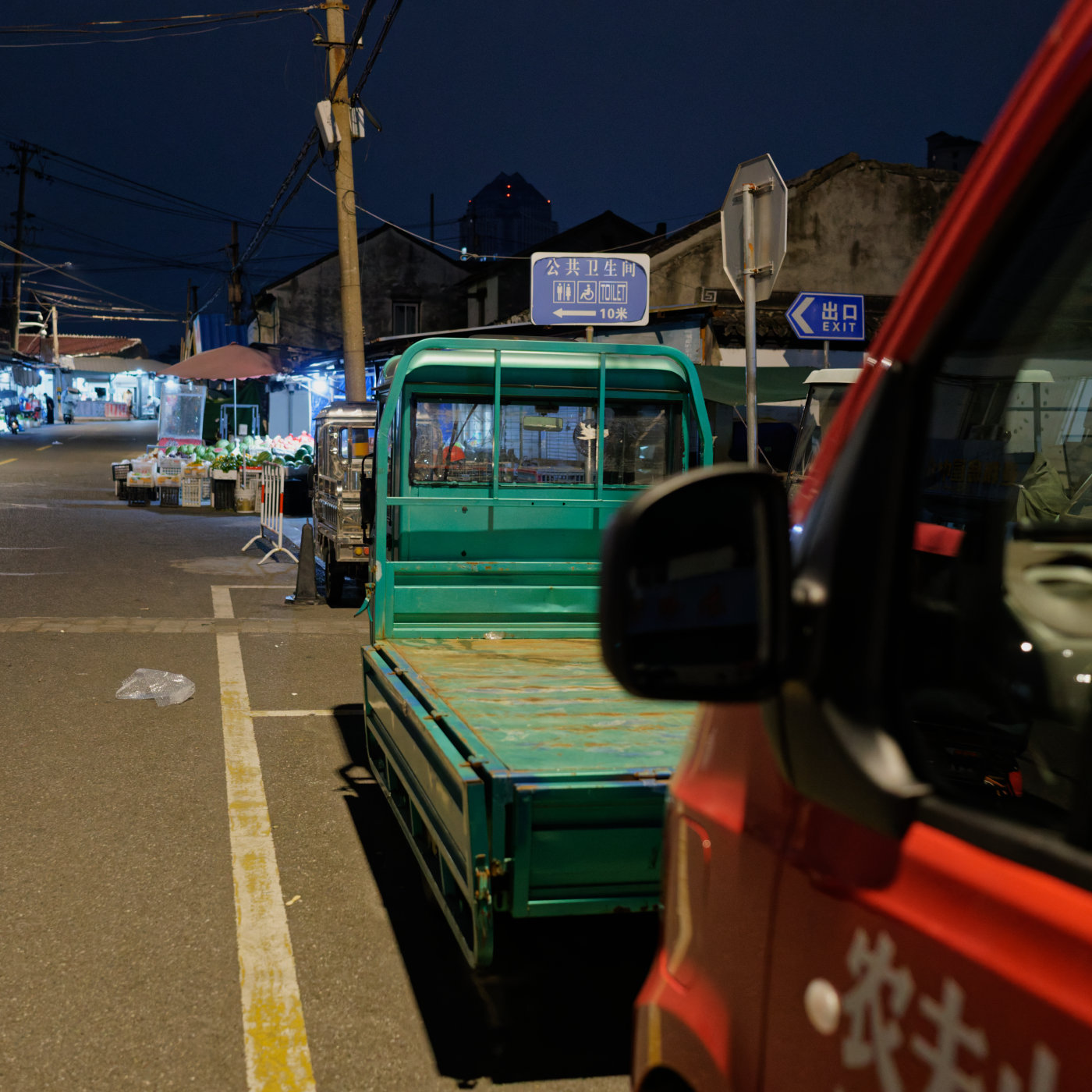
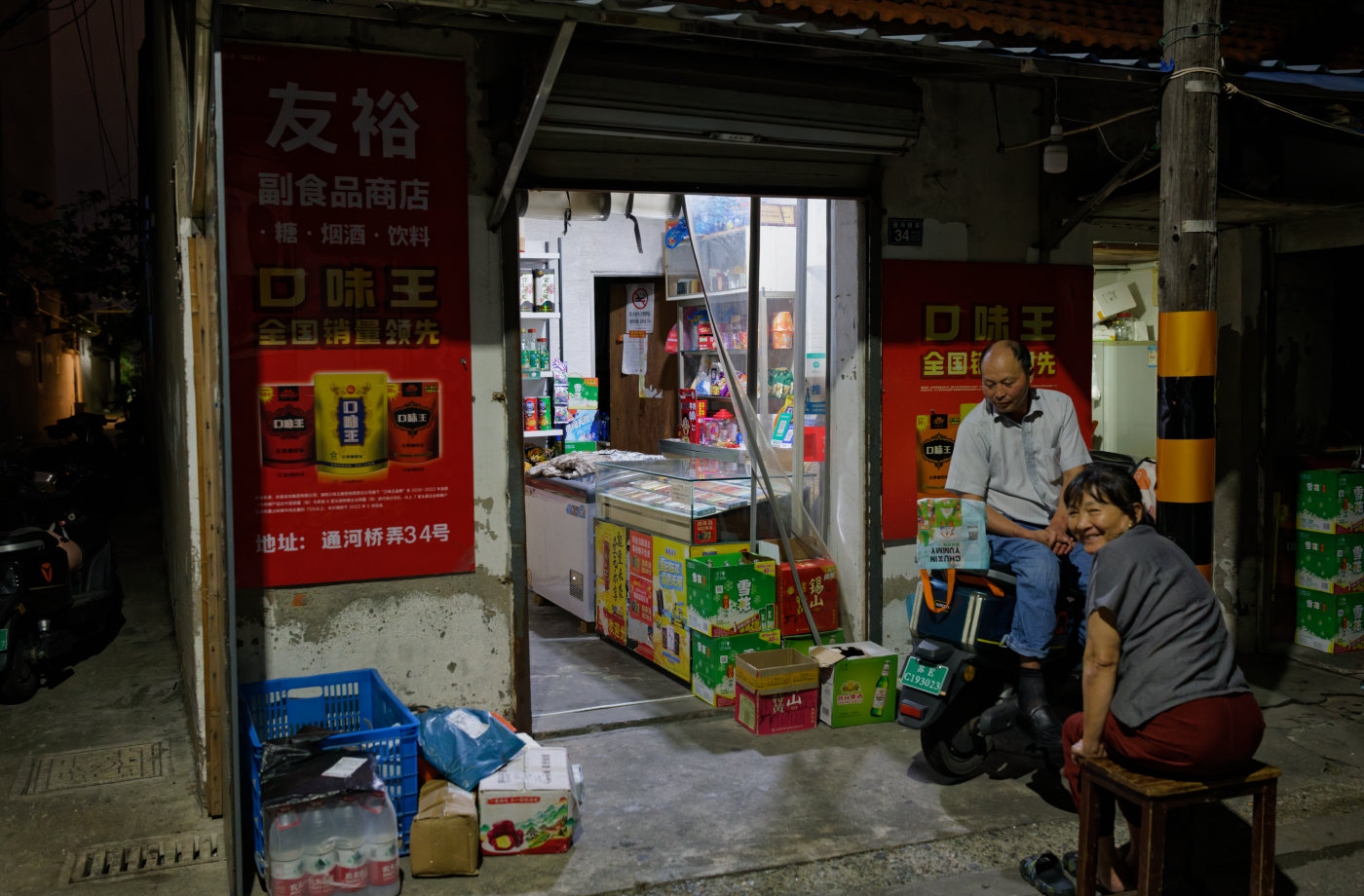
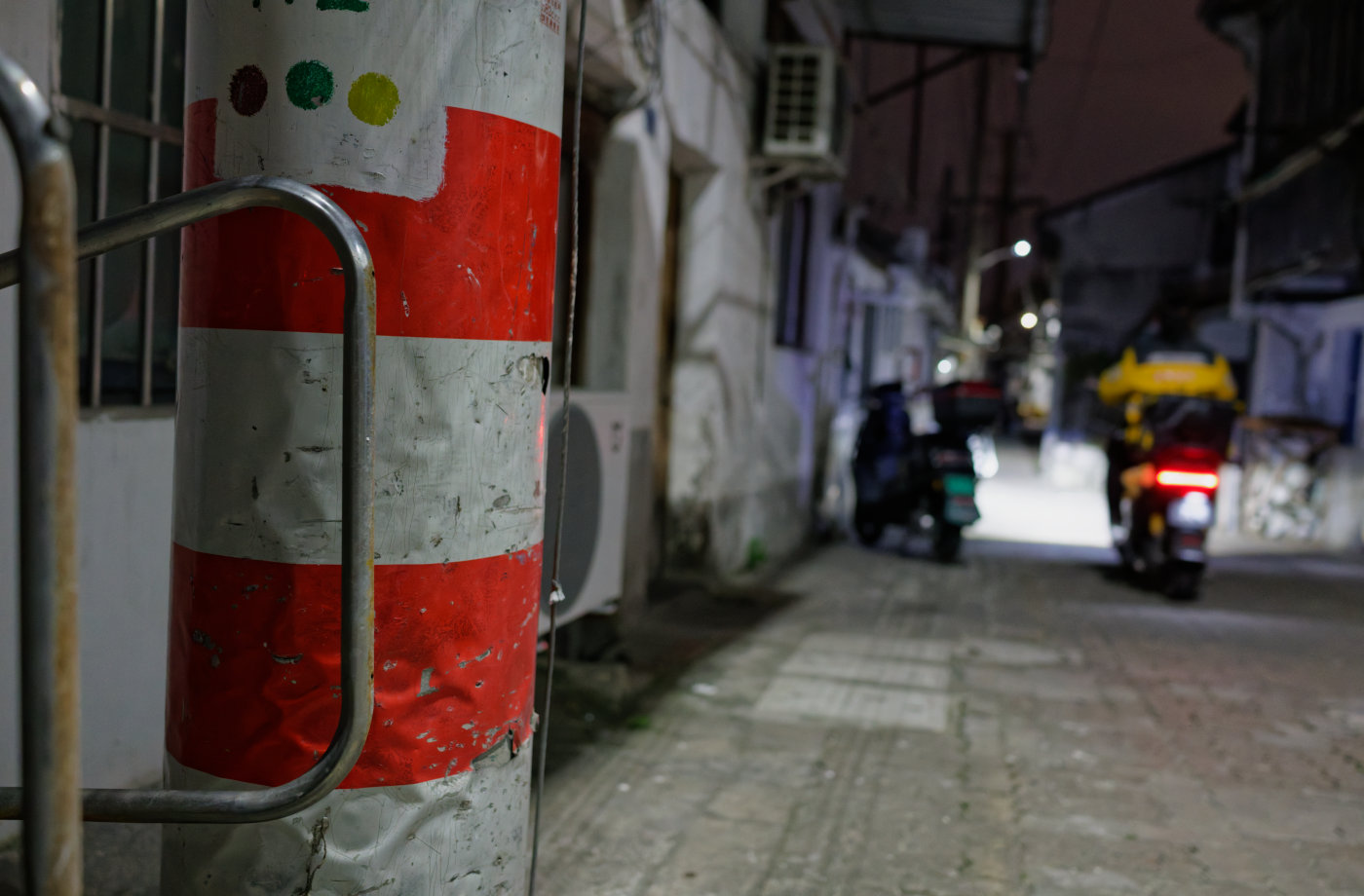
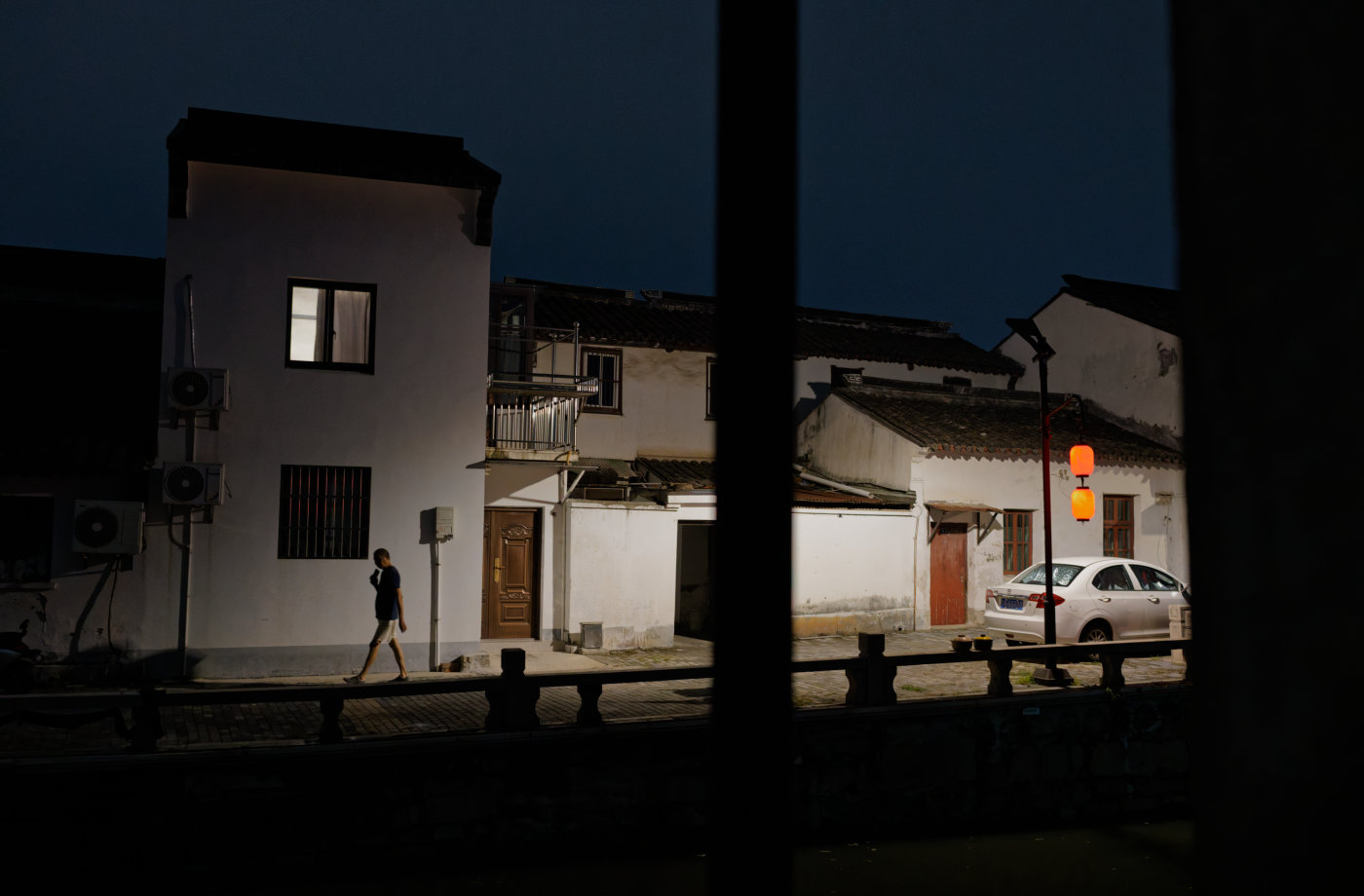
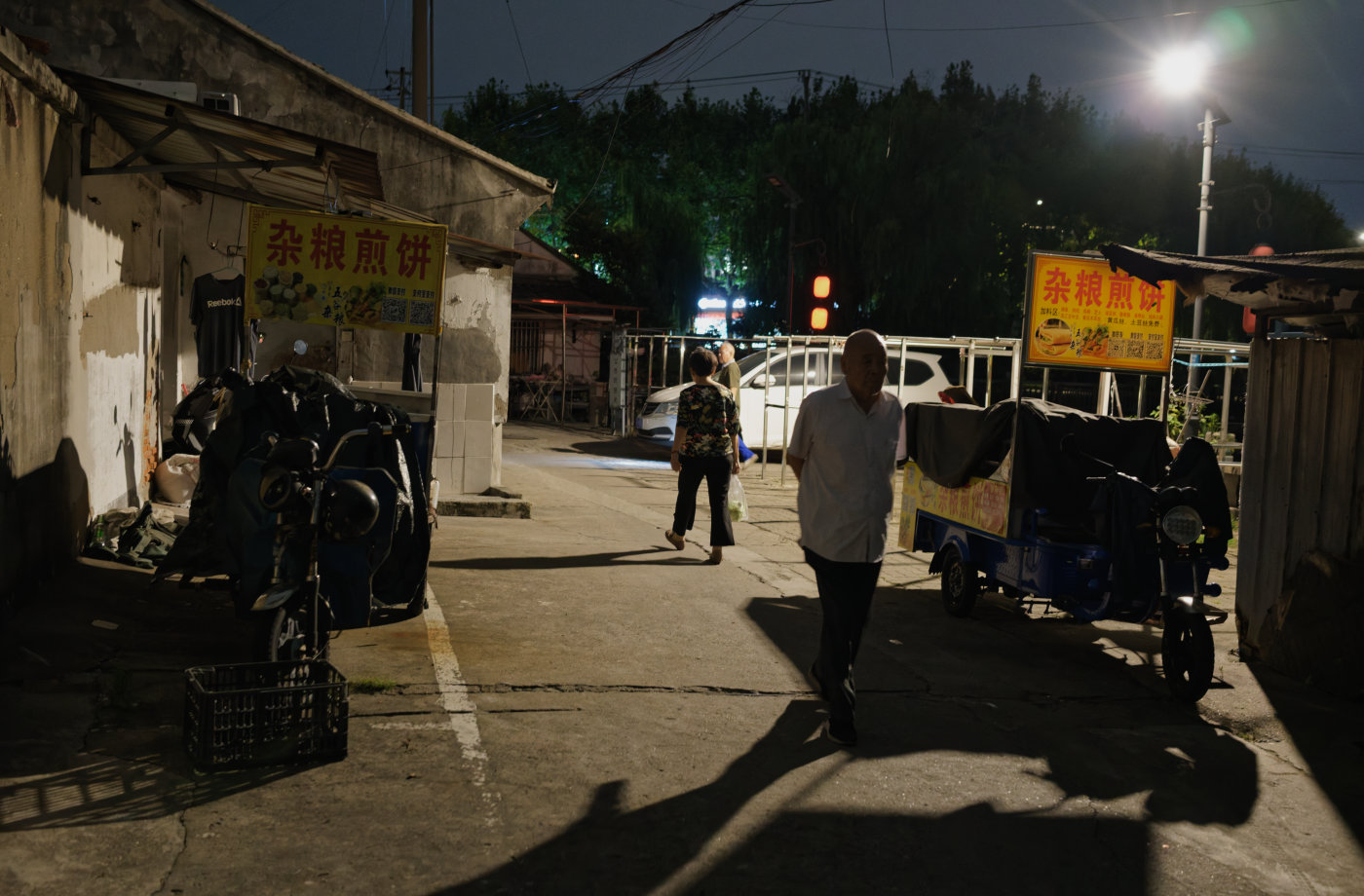
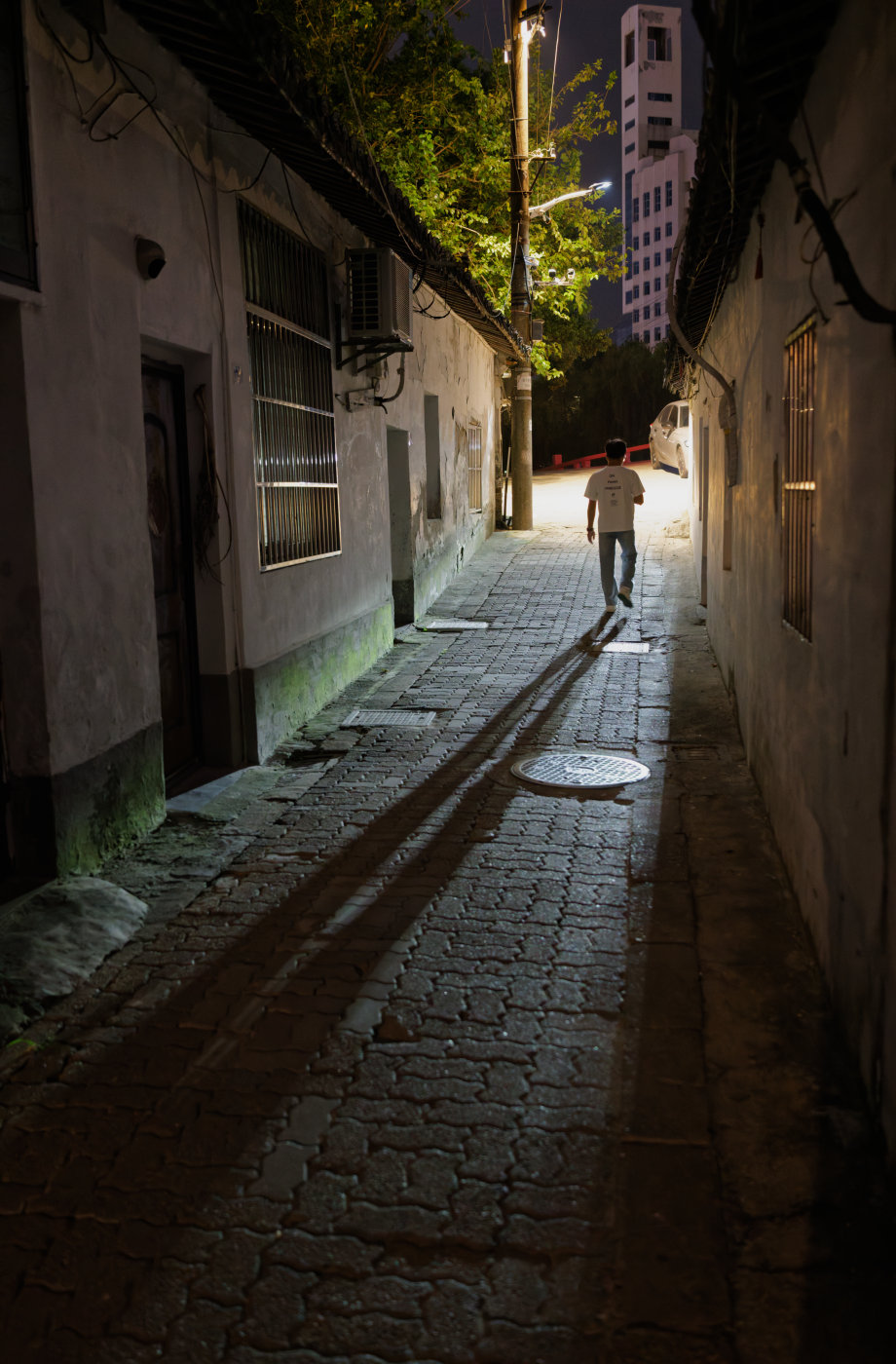
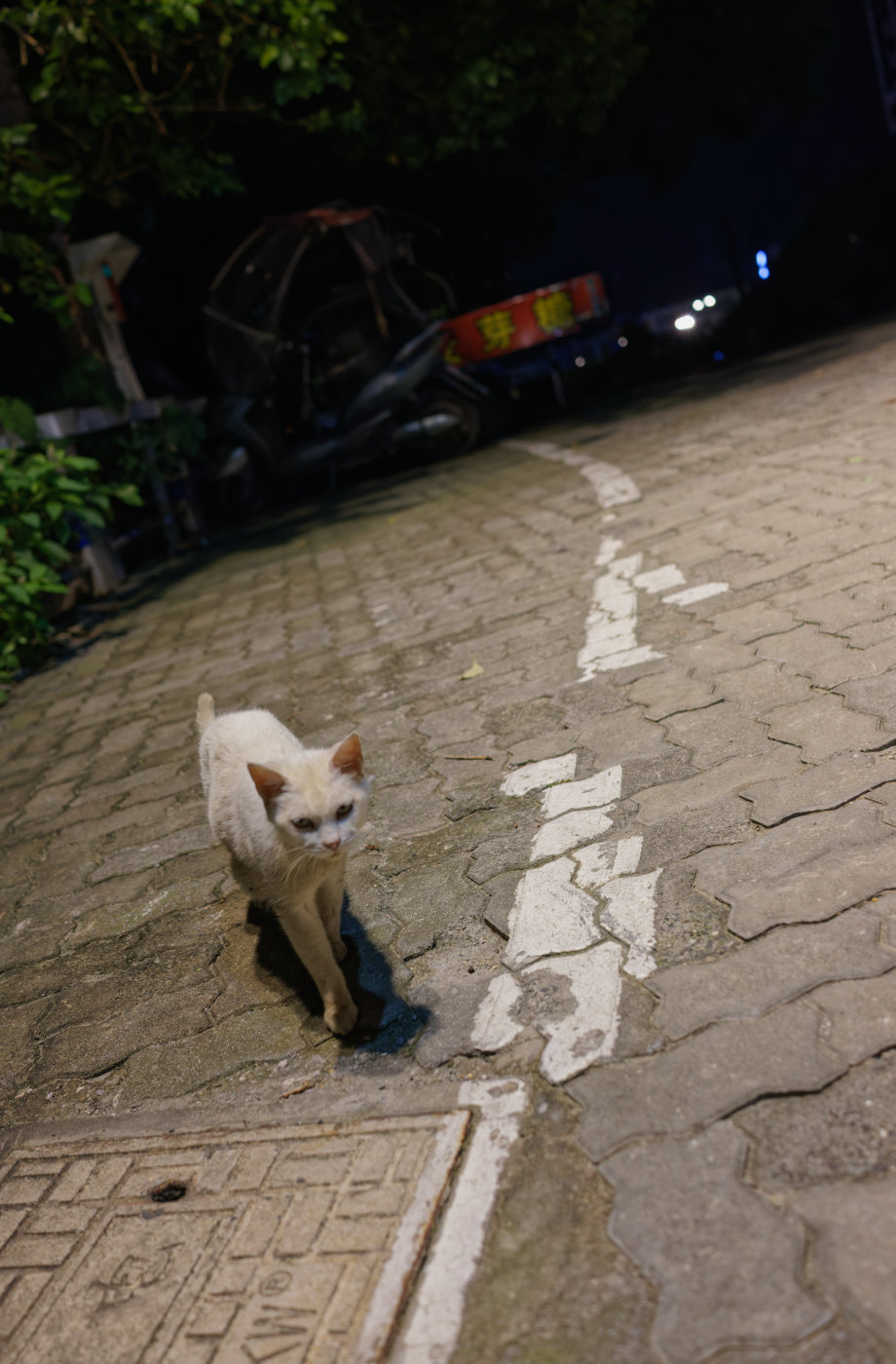
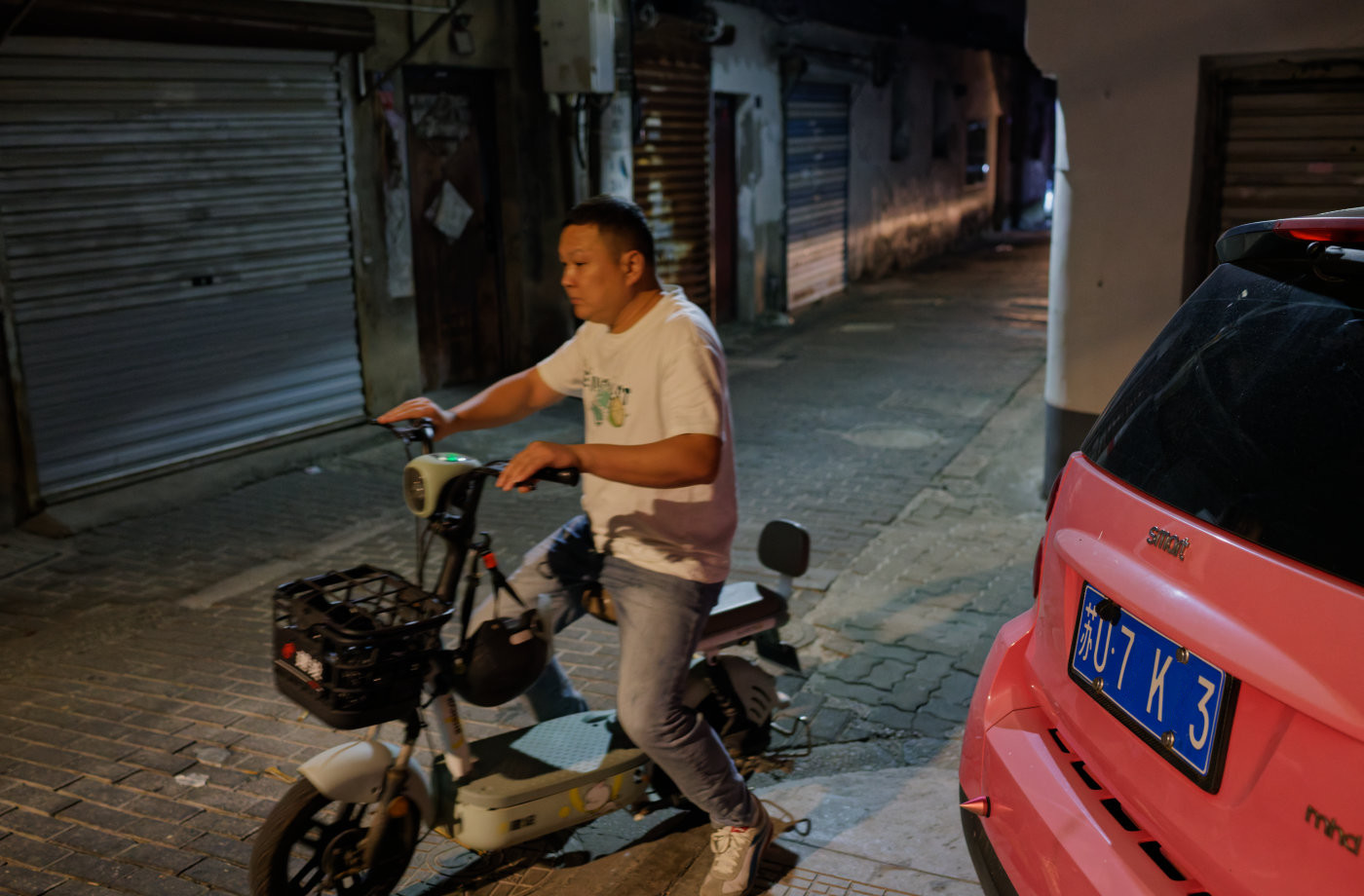
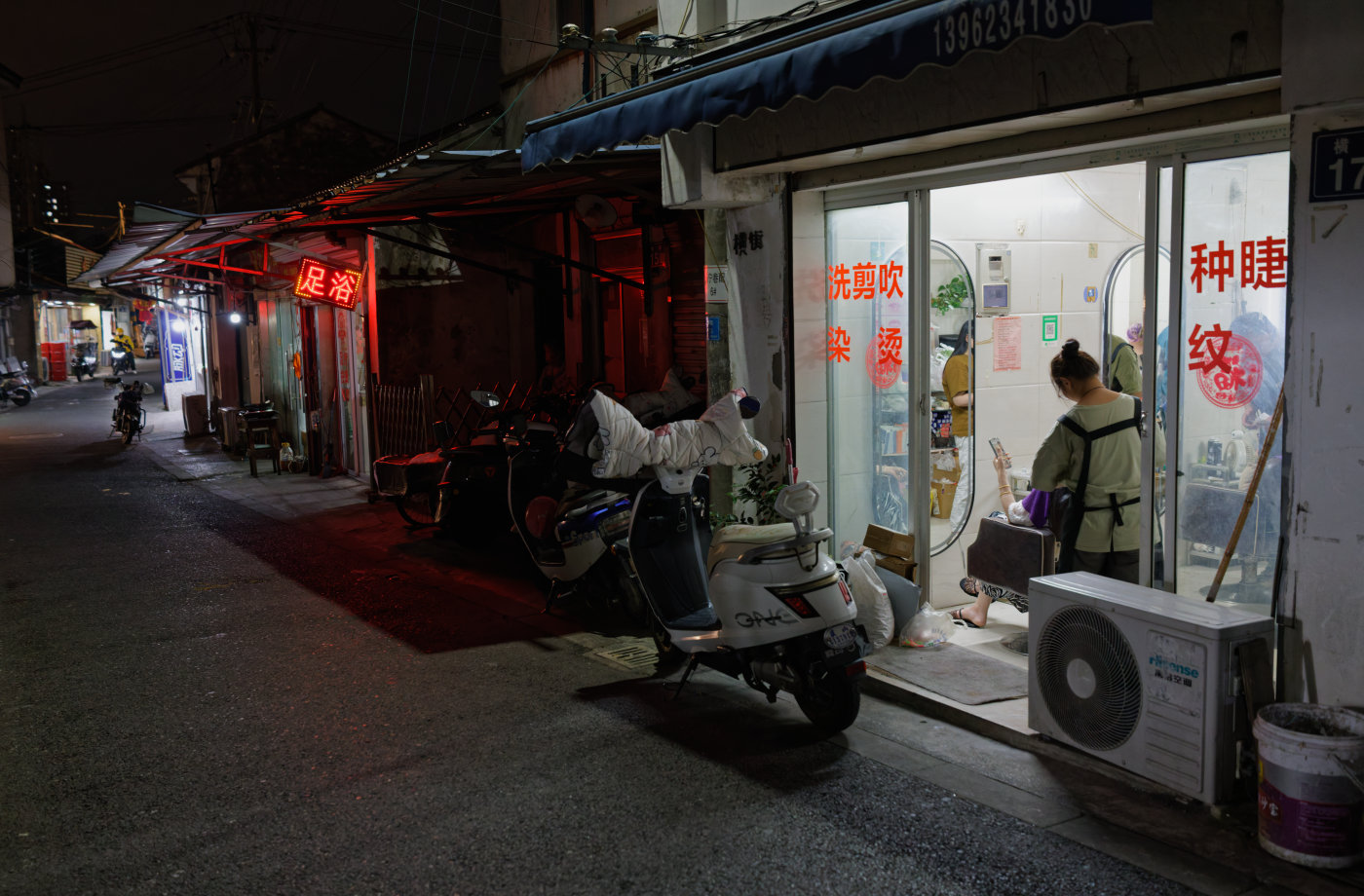
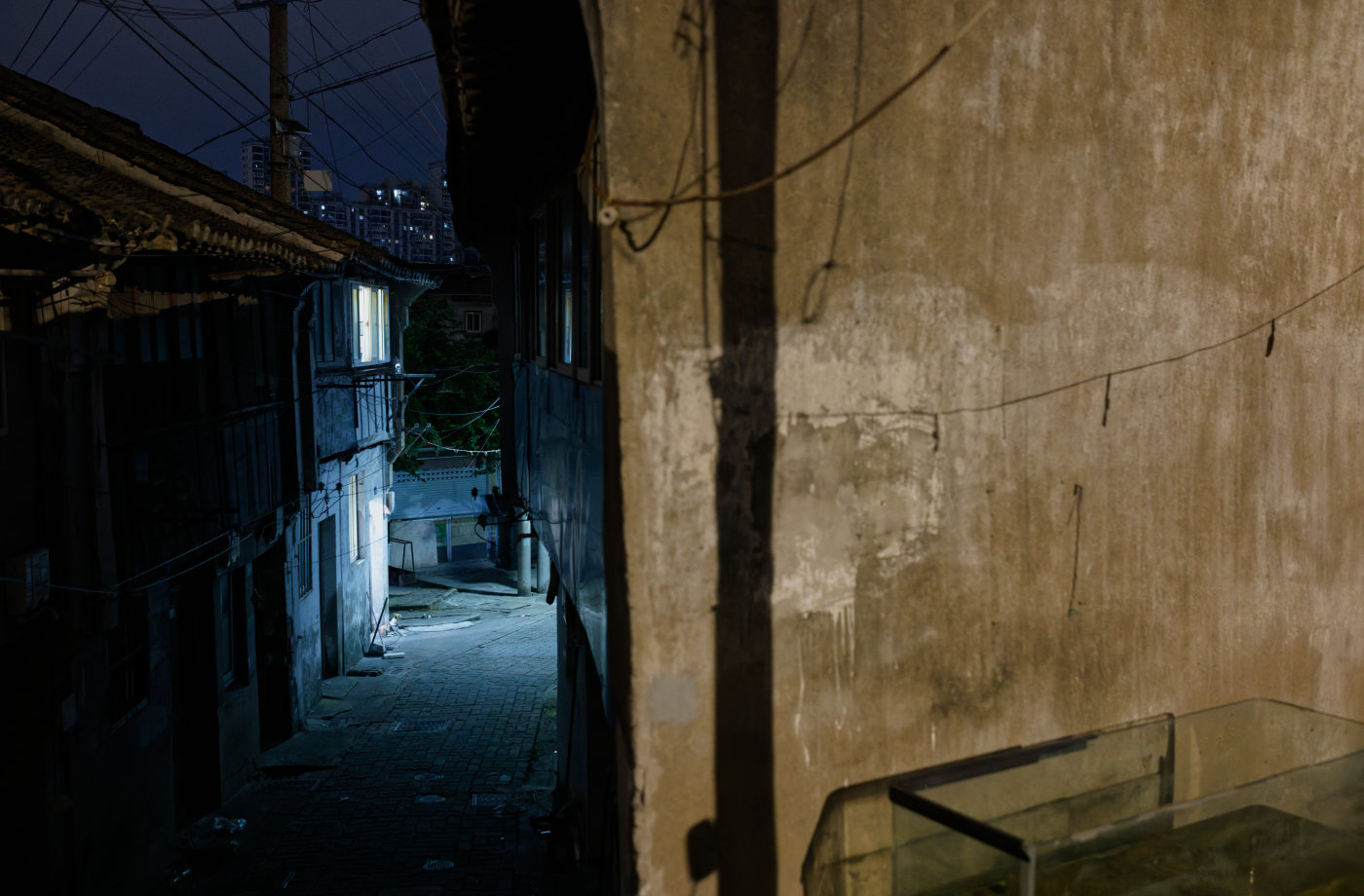
我原以为会很容易看到地藏香,但真正走进巷子以后才发现,它已经不再随处可见。于是我一条巷子一条巷子地走,偶尔找到一处,也拍下寻找途中遇见的人、摊贩、街灯和夜色。
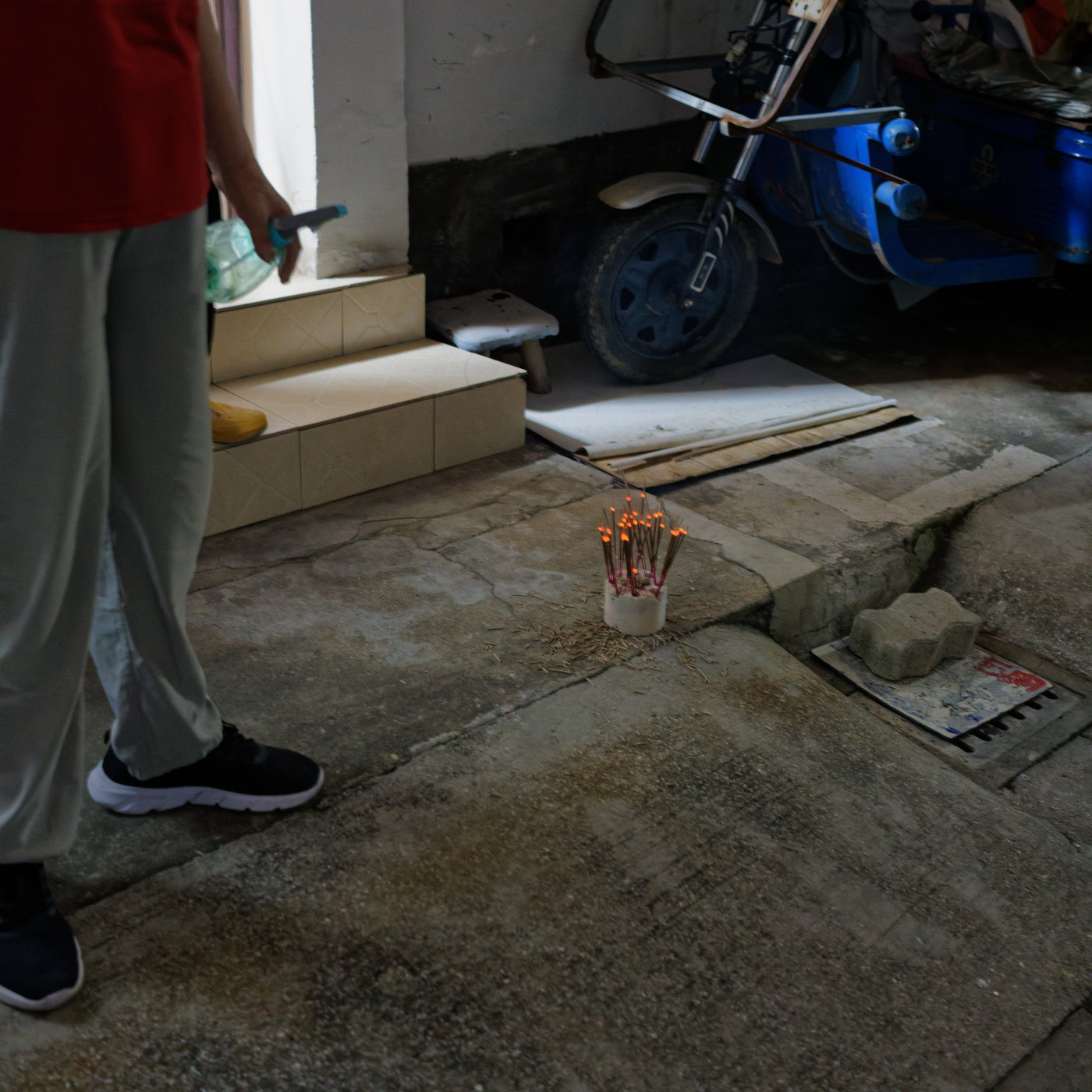
所幸,最后还是找到了几处仍在燃烧的地藏香。而这个夜晚留给我的,也不只是那些香火。
ENGLISH
Searching for Dizang Incense | A Night Photo Walk in the Old Streets of Changshu
The thirtieth day of the seventh lunar month is traditionally associated with Dizang, or Ksitigarbha Bodhisattva. In the Jiangnan region, especially around Suzhou, Wuxi, and Changzhou, there was once a custom of placing incense in the ground on this night. Locally it is known as “Dizang incense,” “lighting ground lamps,” or “burning stick incense.” After dark, people would light incense outside their homes, along roadsides, or at the entrances to lanes, as a way of praying for peace and remembering those who had passed away.
A friend told me that this custom might still be found in some of Changshu’s older neighborhoods.
Toward evening, I arrived near Chenjiashi. As daylight faded, the streetlights began to come on. The RX1R II is well suited to this kind of nighttime photography; as long as there is a little available light, handheld shooting is usually enough.
I had expected the incense to be easy to find. Once I began walking through the lanes, however, I realized that it was no longer something seen everywhere. So I kept moving from one alley to another, occasionally finding a small cluster of incense while also photographing the people, stalls, streetlights, and colors I encountered along the way.
Fortunately, I did find several places where Dizang incense was still burning. But by the end of the walk, the photographs were no longer only about the incense itself.